Best seller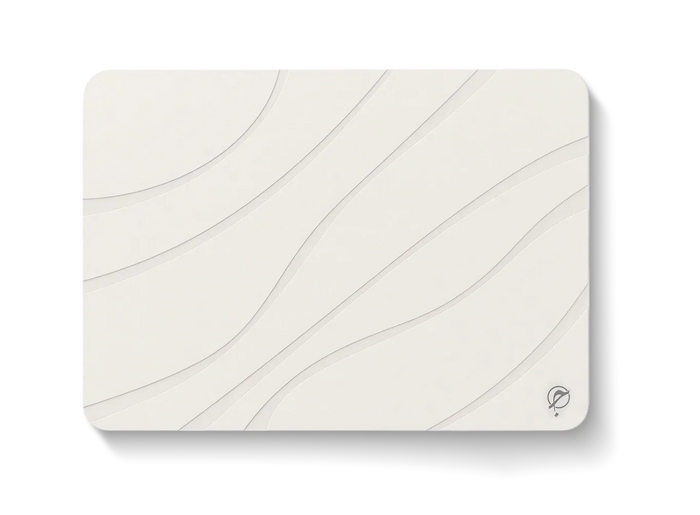

Bath mat
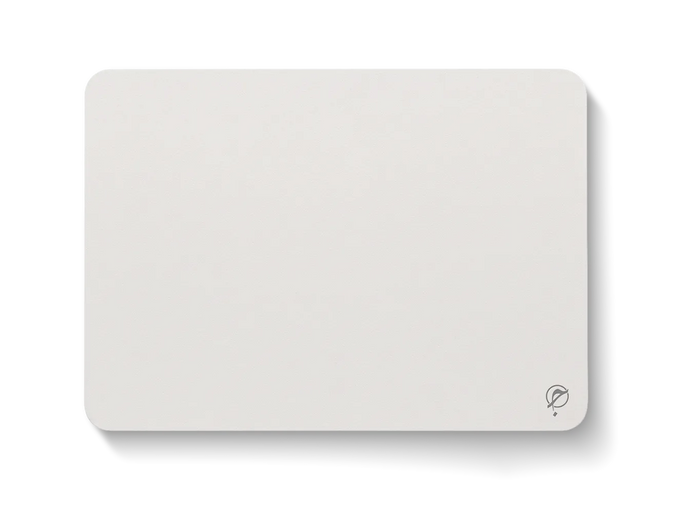
Diatomite mat – waves
60 × 39 × 0.9 cm
LE 1,950.00
Diatomite stone · Non-slip
A cloth mat holds the water. Gaffi takes it away — absorbed on contact, gone in minutes, dry before you need it again.
Best sellers
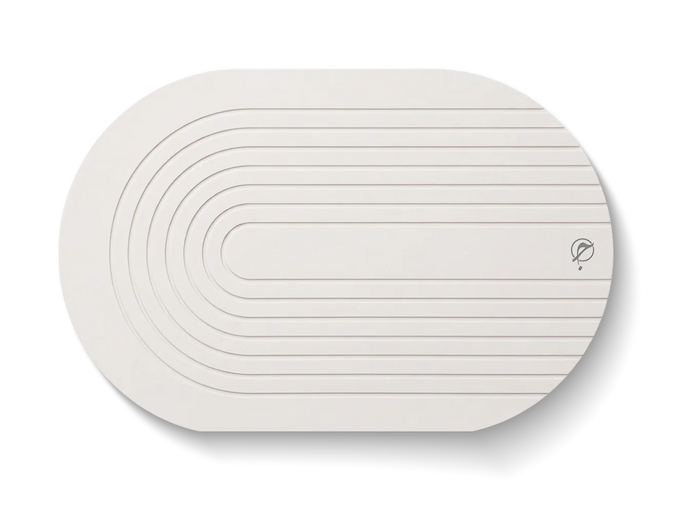
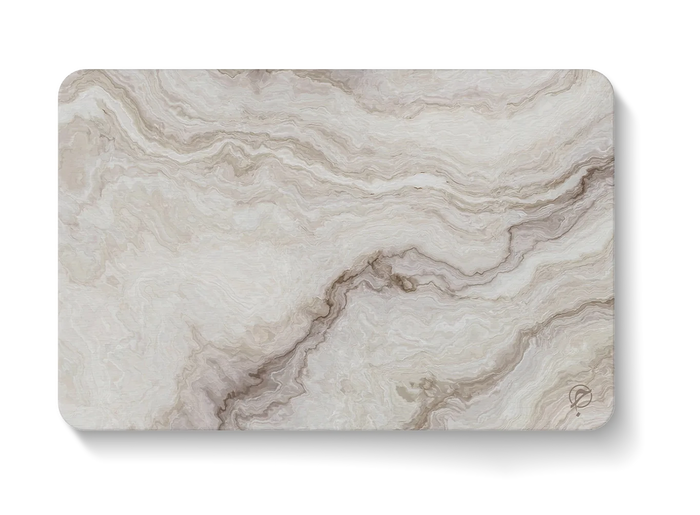
One slab of diatomite stone, three quiet colourways, and a floor that finally stays dry.

The problem
Cotton and microfibre hold moisture in the weave, where it sits warm and dark for hours. That is where the smell comes from — and the mould behind it. Washing helps for a day. Then it starts again.
Gaffi does not hold water at all. It moves it.
The material
Diatomite — diatomaceous earth — is a soft, naturally occurring mineral formed from the fossilised shells of ancient algae. Under a microscope it is almost entirely hollow: millions of tiny chambers that pull water in and let air carry it away.
8s
seconds to absorb a splash
Water does not bead on diatomite and it does not sit on top of it. It is drawn straight into the stone.
A drop spreads and vanishes within seconds of touching the surface. No puddle, no damp patch to step around.
The same pores that absorb also breathe. Water evaporates from inside the stone, so the mat is ready again in minutes — not hours.
Mould and bacteria need standing moisture. Remove the water and you remove the conditions — which is why Gaffi stays fresh without washing.
Compressed diatomite and pulp paper. No plastic pile, no rubber backing that perishes, no fragrance to cover anything up.
Side by side
The same bathroom floor, five minutes after a shower.
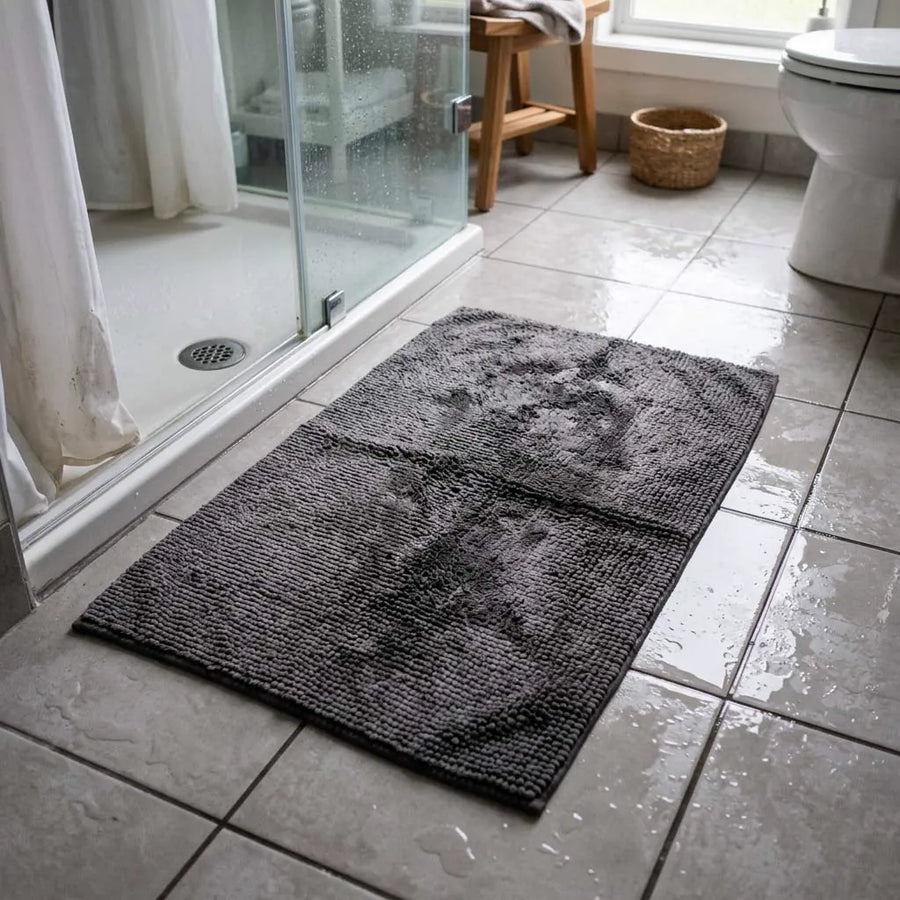
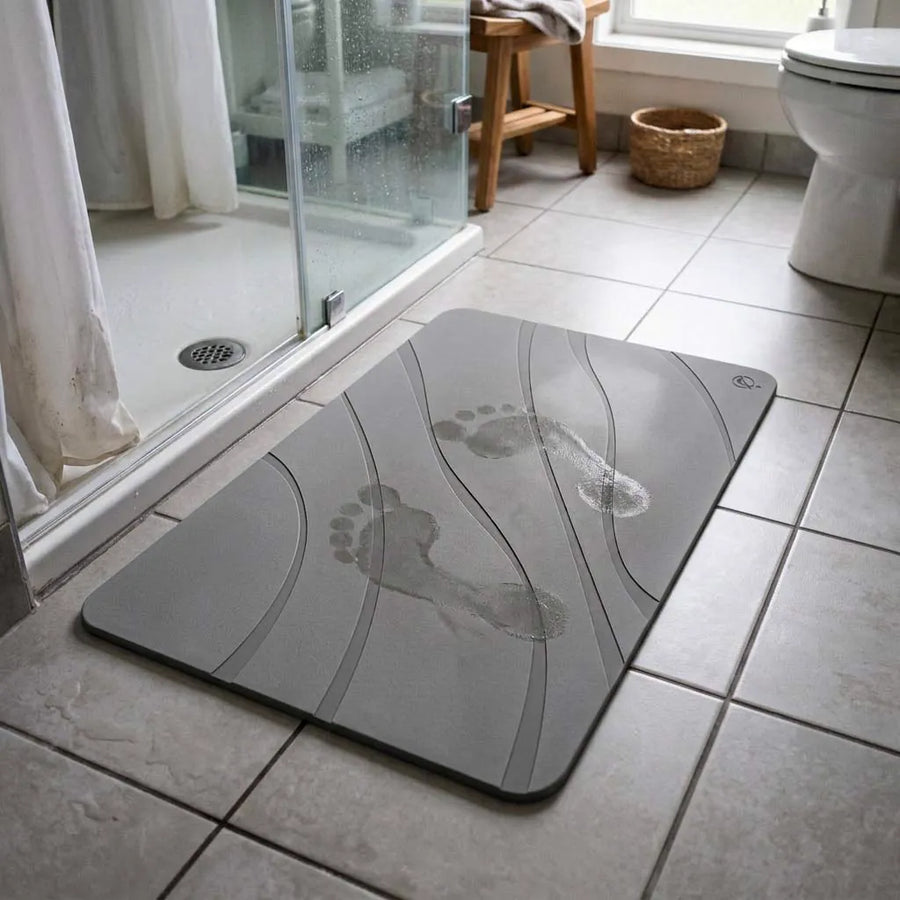
| Cotton / microfibre mat | Gaffi diatomite stone | |
|---|---|---|
| Drying time | Several hours, if at all | Minutes, on its own |
| Slipping | Slides on tile when wet | Non-slip surface and base |
| Odour and mould | Builds up in the weave | No damp for either to form |
| Upkeep | Machine wash weekly | Wipe down; sand if marked |
| Lifespan | Flattens and frays | Sands back to new |
| Underfoot | Cold and soggy after one use | Room temperature, always dry |
Safety
A wet floor is where bathroom accidents happen. Every Gaffi mat grips in two places at once: a finely textured stone surface that holds the sole of your foot, and a rubberised non-slip pad underneath that stays put on tile, marble and stone.
Grip that works better wet than dry.
Included in the box with every mat.
Rigid stone will not ruck, bunch or curl.
The pad lifts the stone so it dries underneath too.
Where it goes
Build your own set
Most homes need more than one. Choose a mat for the bathroom, a caddy for the kitchen sink and a pad for the plant that always drips — and take 15% off the set.
Upkeep
Rinse the surface with warm water to loosen anything sitting on it, then spray evenly with a mild liquid soap or a gentle household cleaner.
Work in small circles with a scrubbing sponge or a stiff brush, paying attention to any darkened patches. Rinse thoroughly and repeat if needed.
For stains that will not lift, dampen the area and sand it lightly with the medium-grit paper in the box. Work in a ventilated room, rinse off the dust and let it dry fully before use.
Diatomite — also called diatomaceous earth — is a soft, naturally occurring sedimentary mineral made from the fossilised shells of diatoms, a type of ancient algae. Those shells are almost entirely hollow, which is why the finished stone behaves like a sponge that never gets soggy. Gaffi presses it together with pulp paper fibre into a rigid, ceramic-like slab.
Yes. The mats are made from two things: diatomite and pulp paper. There is no plastic pile, no added fragrance, no antimicrobial coating and no adhesive backing that can break down. The rubberised non-slip pad supplied in the box sits underneath the stone, not against your feet.
Mould needs standing moisture to establish itself. Because diatomite pulls water off the surface and evaporates it from inside the stone, the damp conditions mould depends on never last long enough. That is a physical property of the material rather than a chemical treatment that wears off — but it does depend on the mat being allowed to dry, so do not store it wet in a sealed cupboard.
Compressed diatomite and pulp paper fibre — that is the complete list. Each mat is 0.9 cm thick and rigid, with a finely textured matte face. The rubberised non-slip pad and a sheet of medium-grit sandpaper are packed alongside it.
A splash of water disappears from the surface in a few seconds. After a full shower, with two wet feet on it, the mat typically looks and feels dry again within a few minutes in a normally ventilated bathroom. Humidity slows this down: in a small room with no window, give it longer and open the door.
If it does not solve the problem better than what you already own, we do not make it.
Diatomite and pulp paper. That is the list. Nothing hidden in the middle.
A sheet of sandpaper comes in the box. Stains are meant to be sanded away, not thrown away.